Colour by number in Colovia
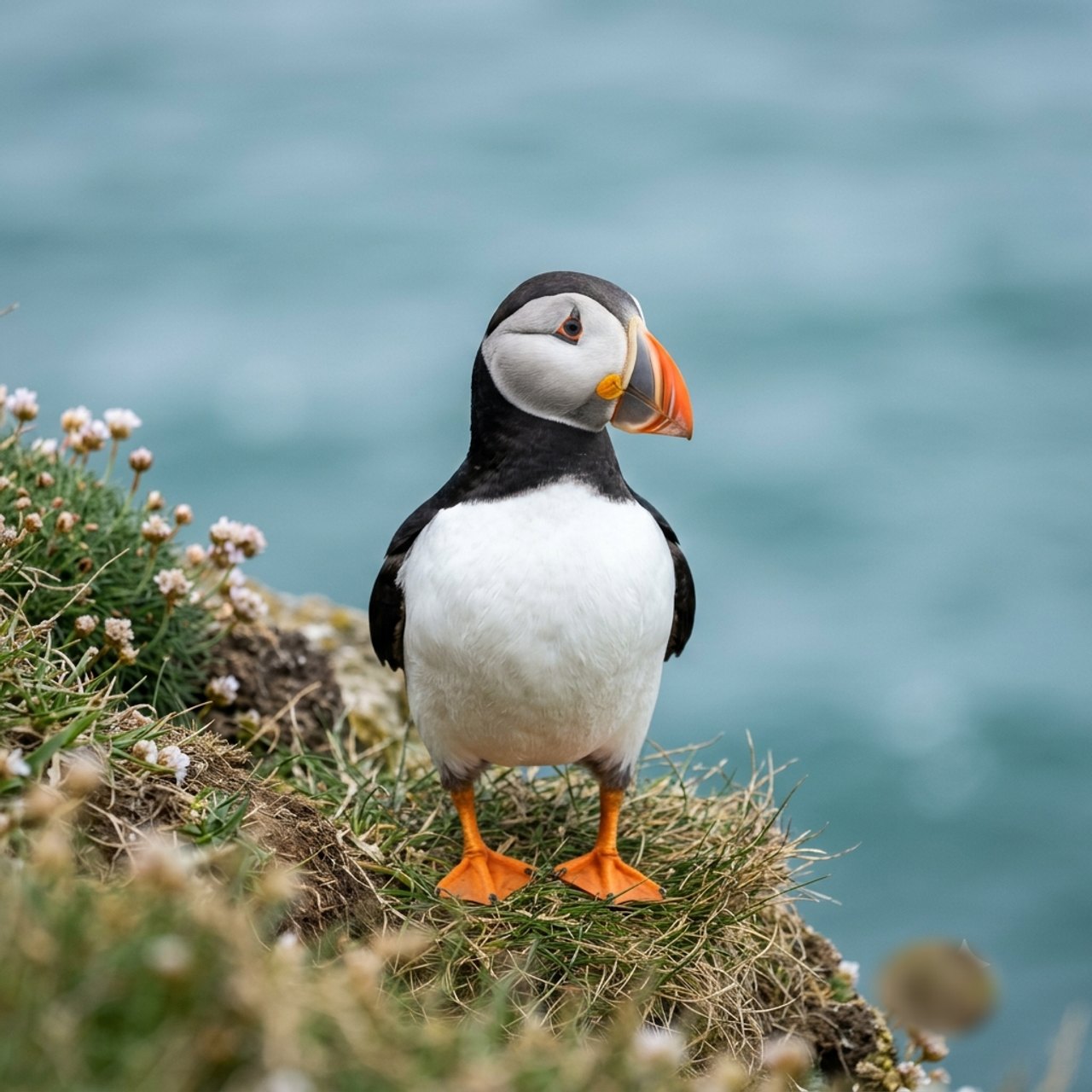
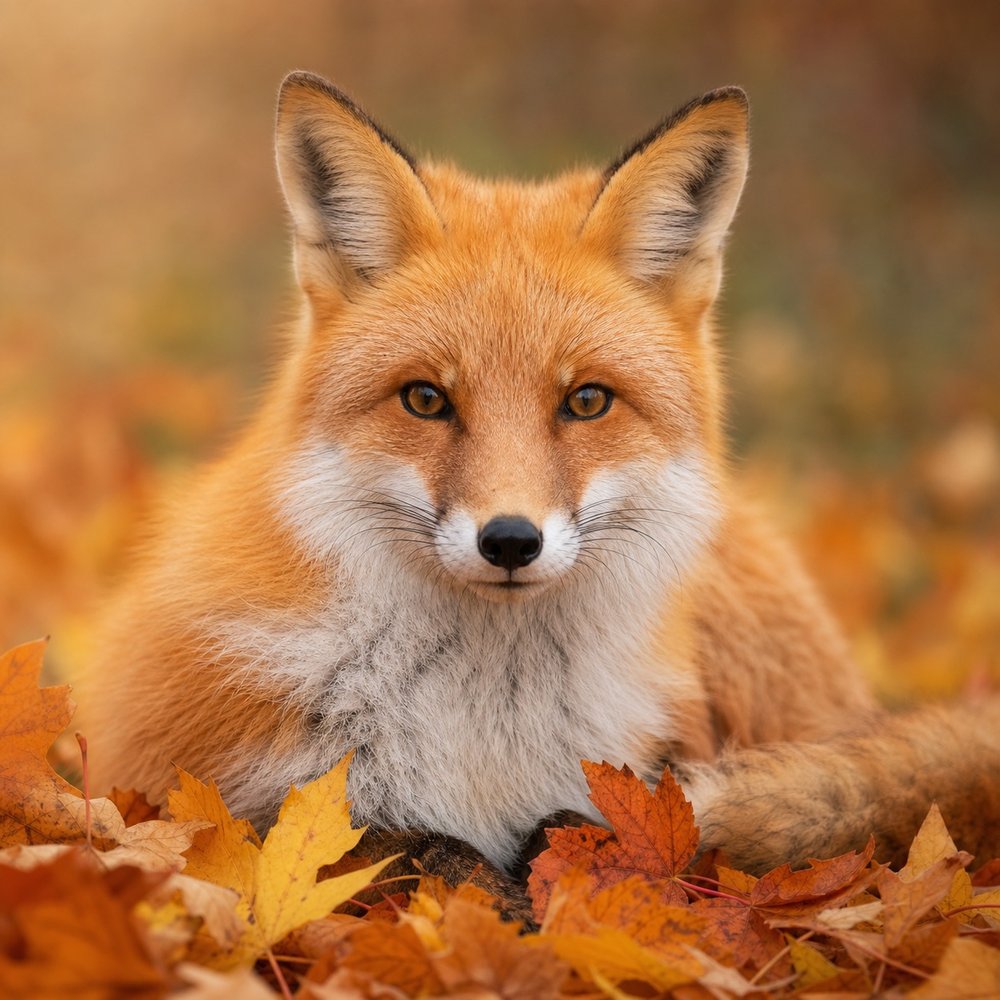
The image is split into numbered vector regions and each number points to the picture palette. The current catalog records 32 to 4,891 regions per picture. Fur gradients, plumage and contrasting markings make numbered colour changes readable.
See matching pictures — Colovia
Build a jigsaw in Puzzia
A seeded rows-by-columns cut gives neighbouring pieces opposite tabs and slots, so the board geometry stays consistent. Catalog levels run from 3×4 to 20×25, or 12 to 500 pieces. Heads, paws, wings and tails give a piece or grid a shape you can search for.
See matching pictures — Puzzia
Fill pixel art in Pixia
The source becomes a 70×70 grid with 4,900 cells. Catalog palettes contain 2 to 24 colours, so the outline and colour blocks carry more weight than tiny photographic detail. Heads, paws, wings and tails give a piece or grid a shape you can search for.
See matching pictures — Pixia
Colour in Kidsia
Pictures use 3 to 86 numbered regions and palettes of 3 to 15 colours. The catalog alone supplies explicit 0–3, 4–6 and 7–9 age bands. Fur gradients, plumage and contrasting markings make numbered colour changes readable.
See matching pictures — Kidsia
Place stones in Gemmia
Each numbered colour becomes a set of stones to place. Current pictures contain 451 to 4,491 stones and 2 to 20 colours, so highlights and repeated edges become the working rhythm. Small changes around eyes, stripes and feathers reward careful comparison and gradual reveal.
See matching pictures — Gemmia
Colour a darker picture in Scaria
The picture is reduced to a 70×70 numbered grid with palettes of 8 to 24 colours. The darker catalog changes the mood, while the task remains cell-by-cell colouring. Fur gradients, plumage and contrasting markings make numbered colour changes readable.
See matching pictures — Scaria
Follow a cross-stitch chart in Stitchia
The picture becomes a counted grid from 40×30 up to 120×120. Catalog charts contain 1,200 to 14,400 crosses and palettes of 10 to 30 thread colours. Heads, paws, wings and tails give a piece or grid a shape you can search for.
See matching pictures — Stitchia
Solve a nonogram in Crossia
Row and column clues reveal a monochrome or limited-colour silhouette instead of showing the picture at once. The catalog offers 10×10, 15×15, 20×20 and 25×25 grids. Heads, paws, wings and tails give a piece or grid a shape you can search for.
See matching pictures — Crossia
Reveal it in Scratchia
A cover hides a grid of about 2,300 cells and the gesture removes that cover. The activity is recognition by gradual reveal rather than choosing colours or placing pieces. Small changes around eyes, stripes and feathers reward careful comparison and gradual reveal.
See matching pictures — Scratchia
Look for differences in Differia
Two versions of a scene contain 5 to 10 recorded differences. Progress comes from comparing shapes, edges and small changes rather than rebuilding the source. Small changes around eyes, stripes and feathers reward careful comparison and gradual reveal.
See matching pictures — Differia