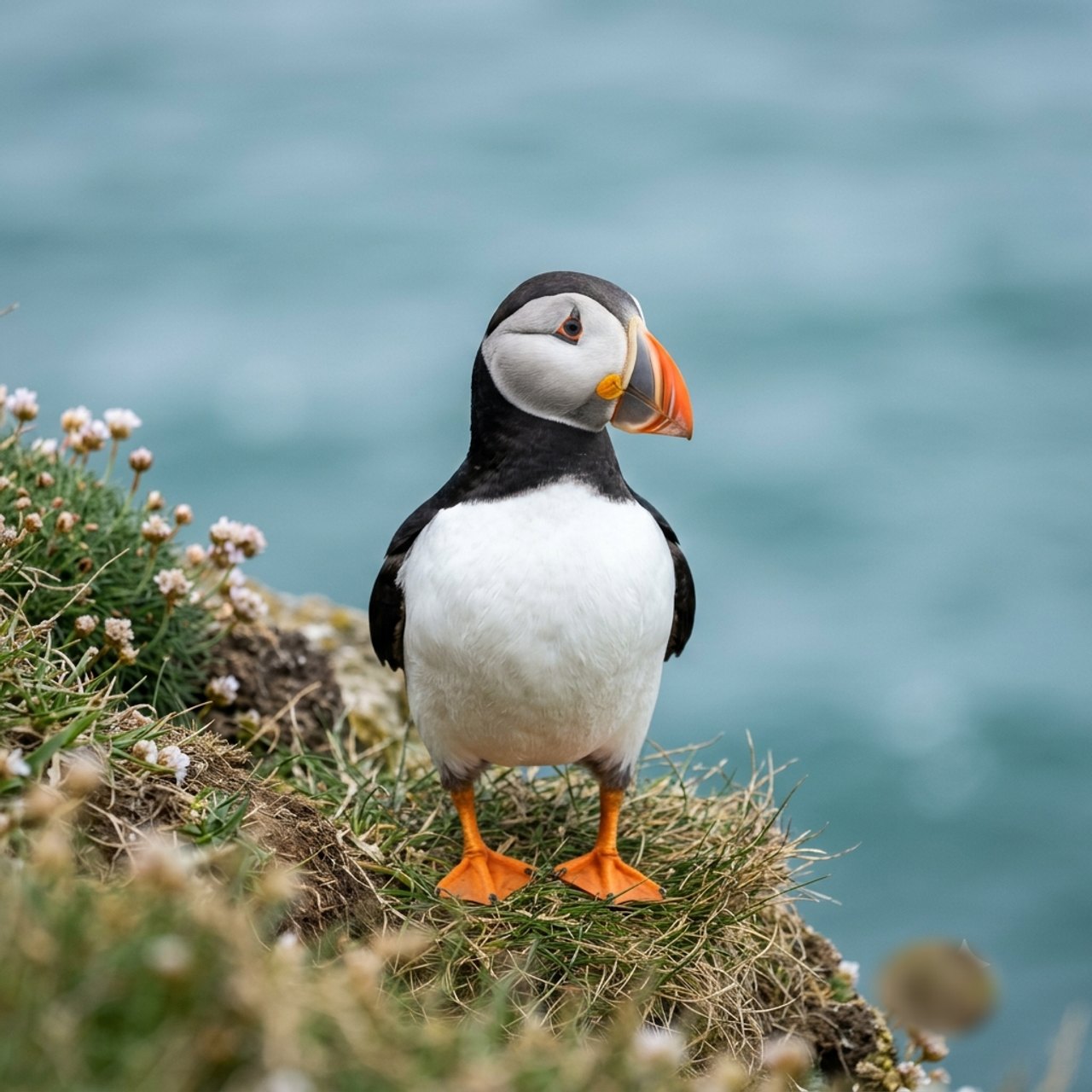
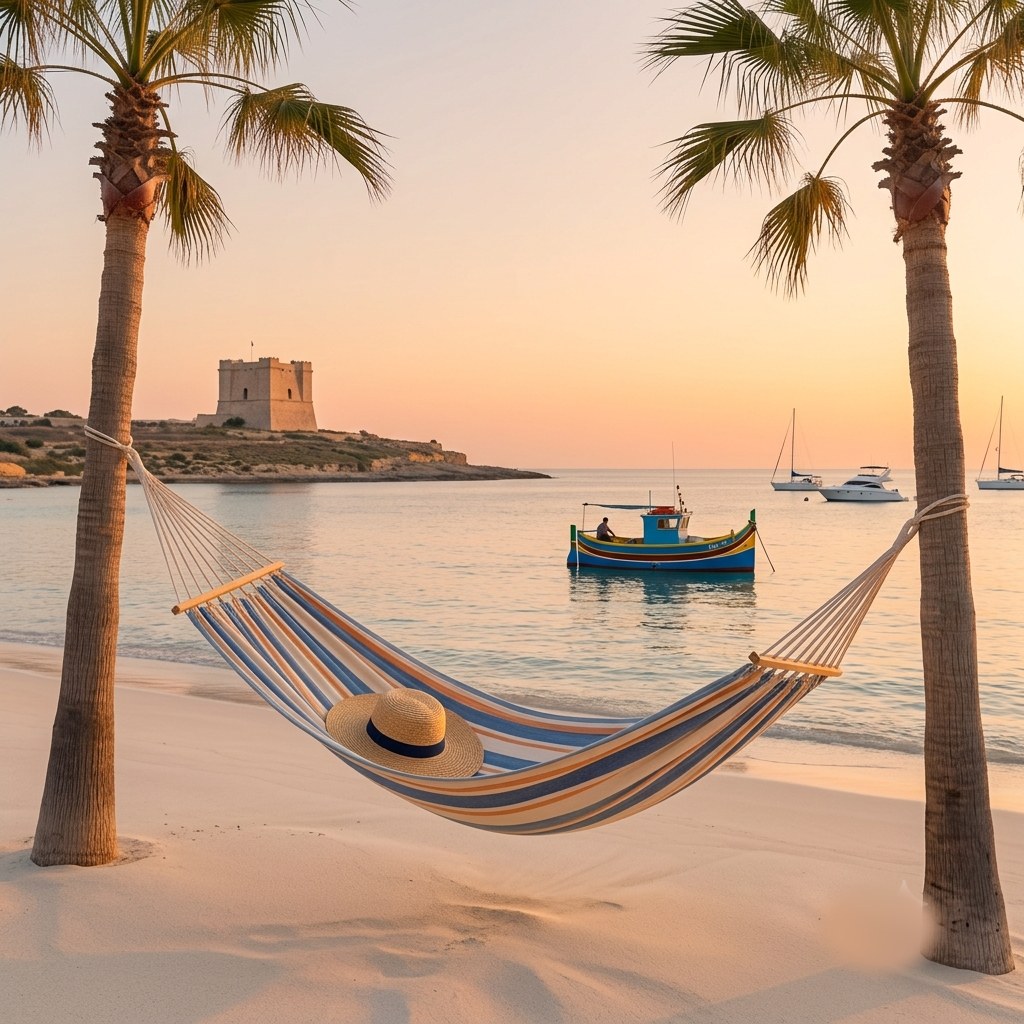
Choose a whale, turtle, fish, crab, shell or underwater scene, then decide whether you want a colour map, a puzzle, a grid or a slow reveal. Open water gives broad colour fields; coral, kelp and shoals fill the same space with landmarks. The subject can therefore feel spacious or intricate without changing themes. Choose by visible detail and structure; no picture comes with a promised finish time.
Why this theme works — and how the activities are built
Ocean subjects work because fins, shells and animal silhouettes remain recognisable against water. Blue gradients can be close in colouring, while reefs and repeated scales make piece finding or comparison slower. The catalog artwork is converted into numbered regions, rows and columns, stones, stitches, clues or covered cells according to the chosen app.
Counts and properties come from the current Artia catalog snapshot, not from estimated search volume.
What you can make from Ocean & underwater — and why each way feels different
The image is split into numbered vector regions and each number points to the picture palette. The current catalog records 32 to 4,891 regions per picture. Water gradients and reflective scales create runs of neighbouring blues and greens.
A seeded rows-by-columns cut gives neighbouring pieces opposite tabs and slots, so the board geometry stays consistent. Catalog levels run from 3×4 to 20×25, or 12 to 500 pieces. Fins, shells, horizons and reef edges anchor pieces and counted cells.
The source becomes a 70×70 grid with 4,900 cells. Catalog palettes contain 2 to 24 colours, so the outline and colour blocks carry more weight than tiny photographic detail. Fins, shells, horizons and reef edges anchor pieces and counted cells.
Pictures use 3 to 86 numbered regions and palettes of 3 to 15 colours. The catalog alone supplies explicit 0–3, 4–6 and 7–9 age bands. Water gradients and reflective scales create runs of neighbouring blues and greens.
Each numbered colour becomes a set of stones to place. Current pictures contain 451 to 4,491 stones and 2 to 20 colours, so highlights and repeated edges become the working rhythm. Bubbles, coral branches, scales and hidden animals reward careful observation and gradual reveal.
Row and column clues reveal a monochrome or limited-colour silhouette instead of showing the picture at once. The catalog offers 10×10, 15×15, 20×20 and 25×25 grids. Fins, shells, horizons and reef edges anchor pieces and counted cells.
A cover hides a grid of about 2,300 cells and the gesture removes that cover. The activity is recognition by gradual reveal rather than choosing colours or placing pieces. Bubbles, coral branches, scales and hidden animals reward careful observation and gradual reveal.
Two versions of a scene contain 5 to 10 recorded differences. Progress comes from comparing shapes, edges and small changes rather than rebuilding the source. Bubbles, coral branches, scales and hidden animals reward careful observation and gradual reveal.
Colouring keeps the water gradient, but pixel and cross-stitch grids turn a curve into steps. A jigsaw uses horizons and animal outlines before similar blue water. Gemmia makes bubbles and highlights rhythmic; Crossia discards the blue entirely, leaving a whale, turtle or shell to be found by logic.
Colour by number in Colovia
Water gradients and reflective scales create runs of neighbouring blues and greens.
Build a jigsaw in Puzzia
Fins, shells, horizons and reef edges anchor pieces and counted cells.
Place stones in Gemmia
Bubbles, coral branches, scales and hidden animals reward careful observation and gradual reveal.
Quick, calm or challenging?
Choose by the amount of structure you want, not by a promised finish time: people work at different speeds and every catalog picture is different.
A short stop
Choose a large subject, a small grid or fewer puzzle pieces. You can leave the work and return instead of racing a countdown.
A calm session
Use numbered regions, stones or a medium puzzle. Timers can be hidden in the calm modes described by the apps.
More challenge
Pick a dense image, more numbered regions or a larger grid in one of the eligible apps. More cells and repeated details mean more decisions.
Three useful starting points
One marine animal
A whale, turtle or fish supplies one strong silhouette.
Reefs and underwater gardens
Coral, kelp and shoals create many smaller landmarks.
Water, shells and shore edges
Choose broad gradients for colour or sharp horizons for pieces.
Questions people ask
Are there easy ocean coloring pictures?
Start with ocean pictures that have one clear subject, broad areas or the smallest available grid. “Easy” is not a fixed label across every app, so the chooser shows the actual mechanic and the cards keep their catalog properties.
Are ocean coloring pictures suitable for kids?
ocean pictures can suit children when the mechanic matches the child. Kidsia is the only catalog here with explicit 0–3, 4–6 and 7–9 age bands; for the other apps an adult should choose from the visible grid, palette and detail level.
Which underwater pictures are detailed for adults?
For a denser ocean pictures activity, choose repeated texture, close colours, more numbered regions or the largest grid shown by an eligible app. Challenge comes from recorded structure rather than an “adult” badge.
Can I color ocean pictures online?
Yes. Open a ocean pictures card and follow its app link. The app filter on this page only changes the visible cards; it does not create a separate catalog or hide the other available formats from the main page.