
A cat curled beside a window can be an inviting picture to spend time with. Choosing it is only the first step, though. The picture you enjoy looking at and the picture you enjoy coloring tonight may ask for different things. Soft fur, a pale background and a wicker basket all look familiar at a distance; up close, they offer very different kinds of detail.
For a quiet evening with Colovia, an Artia Club app, begin with a scene you like and a small area you can comfortably follow. There is no need to plan the whole picture or set a finishing time. The two catalogue pictures below offer useful places to look before you begin. Their previews show the artwork; open the actual coloring view to judge the numbered areas.
Choose the company you want in the picture
In Kitten by the window, a ginger and white kitten occupies most of the foreground. The window frame supplies a straight line beside the rounded head and paws. You can choose one of those recognizable parts as an evening's starting point without needing to decide how the whole background will develop.
In Cat and dog in a basket, two sleeping animals share a basket beneath a window. There are more distinct objects to visit: the cat, the dog, the blanket and the woven rim. Pick this scene if moving between recognizable objects appeals to you. More objects do not automatically mean a harder picture, and a single kitten does not automatically mean an easier one.
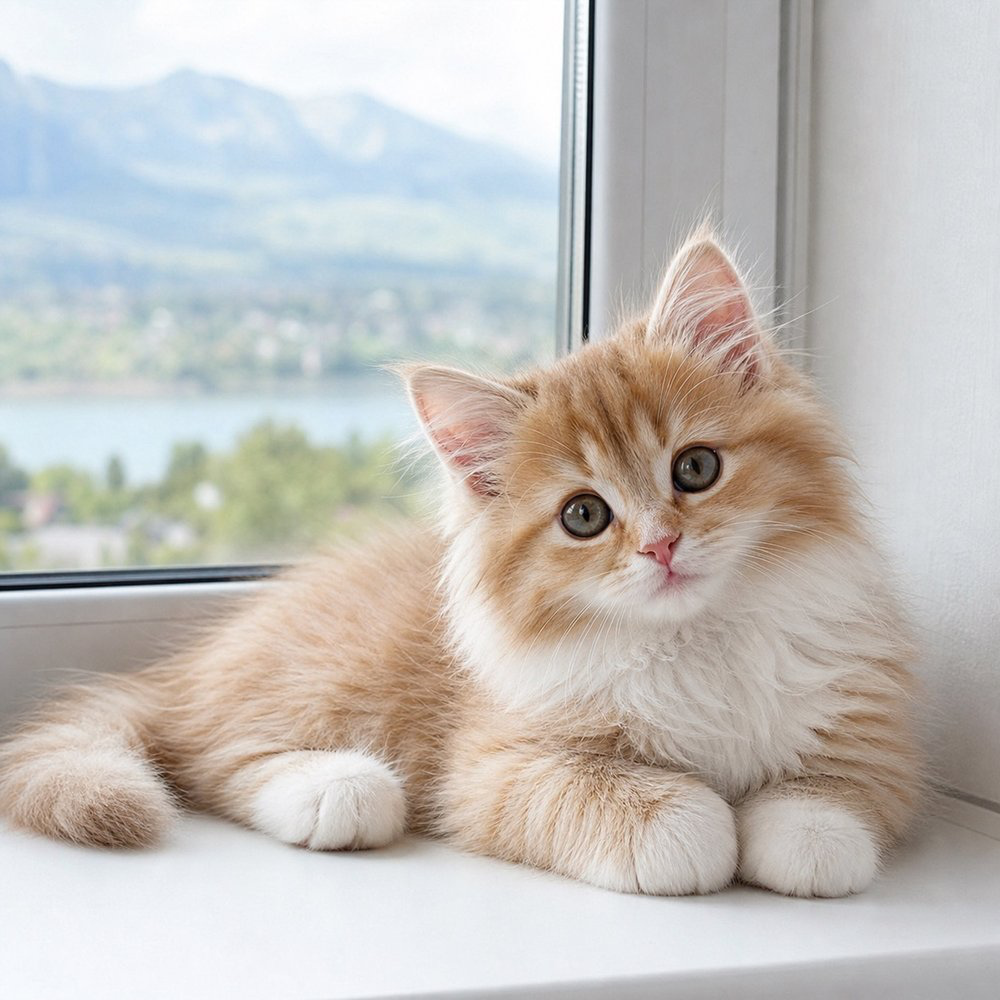
Look past the softness of the subject
Fur looks soft because it contains many changes of shade. That can make a gentle looking portrait quite detailed to color. A white paw may contain cream, grey and reflected light, while a ginger cheek may contain several neighboring tones. Judge the available space on your own screen rather than assuming that the subject's calm expression means large, simple sections.
Open a part of the picture at a comfortable size. Can you distinguish the boundaries and numbers without repeatedly guessing? Try looking at a paw and then at the window frame. If you prefer the clearer structure of the frame, start there. Your first section can be background; it does not need to be the cat's face just because the cat is the main subject.
Give the session a small, visible purpose
Choose something you will recognize again: a patch beside the front paw, a stretch of the basket rim or a corner of the blanket. A useful aim is to work around that landmark for a while. Avoid promising yourself that you will finish every part of the animal before stopping, especially before you have seen how finely the picture is divided.
The landmark is a guide, not a deadline. You may complete less than expected, or discover that you want to continue. Either way, you have a clear place to begin. If you have only a short interval, choose an area you can identify in the full preview; a tiny patch hidden among many similar strands of fur is harder to find again.
Let the numbers carry the color decisions
Colovia is a color by number app. Use the correspondence between a number and its assigned color in the picture you opened. You can decide which part of the scene to work around without inventing a new palette for the kitten. The catalogue preview is helpful for orientation, but similar shades in a photograph are not a substitute for reading the actual numbered areas.
Try a few nearby spaces before moving across the entire canvas. If you enjoy following one color through several places, do that; if it makes you lose your chosen landmark, bring your attention back to the smaller area. There is no single correct route around a cat portrait. The useful route is the one you can understand while you are working.
Alternate between a detail and the whole scene
When the face fills the screen, it can become difficult to remember which side of the kitten you are viewing. Take an occasional look at the whole composition. Locate the ear, the paw or the window edge again, then return to the detail you selected. This short check is especially useful when neighboring patches of fur look almost alike.
With the basket picture, use the animals' outlines to separate one area from another. The weave creates repeated marks, while the blanket folds change direction more visibly. If repetition starts to feel tedious, try a different object within the same scene. Changing where you work can be enough; you do not always need a different picture.
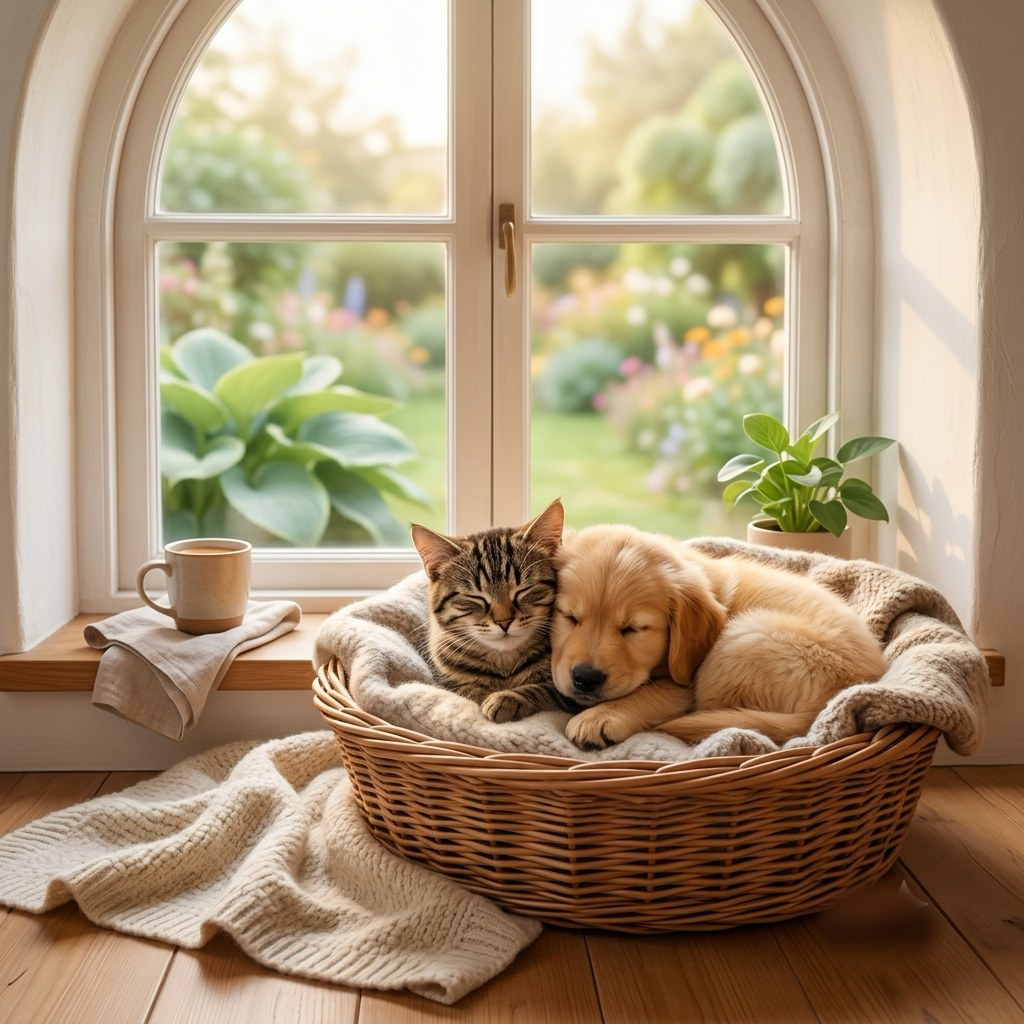
Leave a clear next step for another evening
Before stopping, look at the whole picture and name the place you would like to return to: beside the kitten's left paw, along the near rim of the basket or around a fold in the blanket. A concrete description is more useful than remembering that you were working on a pale color. Several distant areas can share that color.
Check how your current version of the app retains the work before closing it. If you want reassurance, leave the picture and reopen it on the same device. A catalogue image appearing on another device does not by itself show that your personal progress has transferred. Keep the next session simple by returning to the setup you have already checked.
Choose the next picture from what you enjoyed
After a session, notice the specific part you liked: the kitten's rounded outline, the straight window edge, the folds of the blanket or the repeated basket weave. Those observations help you choose another scene more reliably than deciding that all cat pictures will feel the same. You might prefer one clear subject tonight and a room full of small objects another time.
For two more cat scenes, compare Cat with a cake and Black and white kitten. Choose the picture you want to spend time with, then inspect its numbered areas in Colovia before starting.
Start with Kitten by the window or Cat and dog in a basket, then open the picture through its Colovia page. A quiet evening can end with one pleasing part of the scene and a clear idea of where to continue. The rest of the picture can wait.