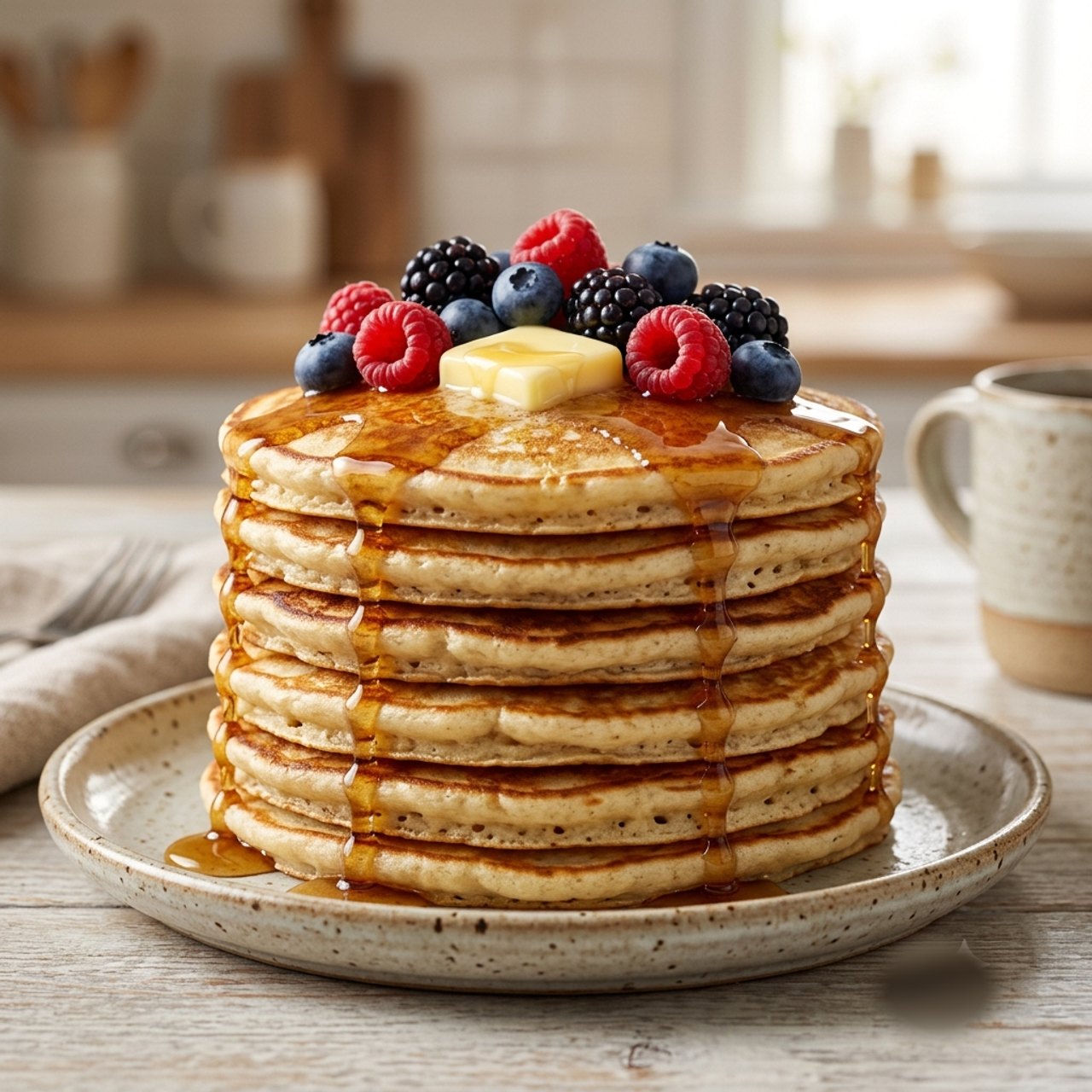
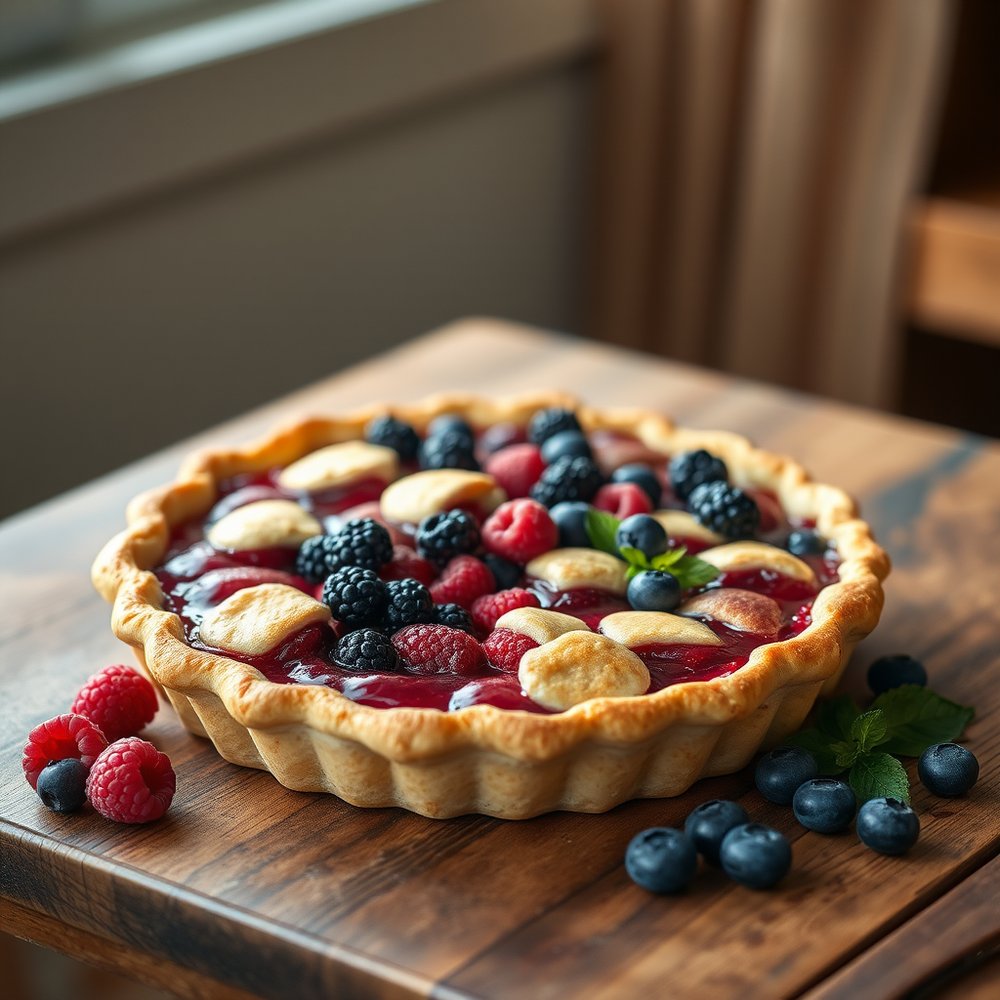
Choose a bright fruit, a single cupcake or a table filled with pastries, then decide whether to colour, assemble, count or reveal it. Food pictures range from simple icons to busy bakery windows and market arrangements. The subject stays familiar, while edges, crumbs, reflections and repeated items control how demanding the activity becomes. Choose by visible detail and structure; no picture comes with a promised finish time.
Why this theme works — and how the activities are built
Food works because cups, slices, fruit and cakes have familiar outlines and strong colour expectations. A single apple gives one dominant shape; a shelf of jars removes that shortcut. The apps rebuild the artwork as numbered regions, jigsaw geometry, pixels, stitches, stones, logical clues or hidden cells without claiming nutritional or educational value.
Counts and properties come from the current Artia catalog snapshot, not from estimated search volume.
What you can make from Food & treats — and why each way feels different
The image is split into numbered vector regions and each number points to the picture palette. The current catalog records 32 to 4,891 regions per picture. Frosting, fruit skin and drinks separate naturally into colour regions, while baked surfaces use closer browns.
A seeded rows-by-columns cut gives neighbouring pieces opposite tabs and slots, so the board geometry stays consistent. Catalog levels run from 3×4 to 20×25, or 12 to 500 pieces. Plates, cups and slices make useful edges; shelves of similar pastries make piece and grid searches harder.
The source becomes a 70×70 grid with 4,900 cells. Catalog palettes contain 2 to 24 colours, so the outline and colour blocks carry more weight than tiny photographic detail. Plates, cups and slices make useful edges; shelves of similar pastries make piece and grid searches harder.
Pictures use 3 to 86 numbered regions and palettes of 3 to 15 colours. The catalog alone supplies explicit 0–3, 4–6 and 7–9 age bands. Frosting, fruit skin and drinks separate naturally into colour regions, while baked surfaces use closer browns.
Row and column clues reveal a monochrome or limited-colour silhouette instead of showing the picture at once. The catalog offers 10×10, 15×15, 20×20 and 25×25 grids. Plates, cups and slices make useful edges; shelves of similar pastries make piece and grid searches harder.
A cover hides a grid of about 2,300 cells and the gesture removes that cover. The activity is recognition by gradual reveal rather than choosing colours or placing pieces. Crumbs, seeds, shine and small toppings reward close inspection or a slow reveal.
A strawberry becomes broad numbered reds in colouring and a stepped silhouette in pixel art. In a jigsaw, plate edges and contrasting fruit help place pieces; in a nonogram, only the readable outline remains. A scratch picture delays the colour information, so recognition arrives later than in the original.
Colour by number in Colovia
Frosting, fruit skin and drinks separate naturally into colour regions, while baked surfaces use closer browns.
Build a jigsaw in Puzzia
Plates, cups and slices make useful edges; shelves of similar pastries make piece and grid searches harder.
Reveal it in Scratchia
Crumbs, seeds, shine and small toppings reward close inspection or a slow reveal.
Quick, calm or challenging?
Choose by the amount of structure you want, not by a promised finish time: people work at different speeds and every catalog picture is different.
A short stop
Choose a large subject, a small grid or fewer puzzle pieces. You can leave the work and return instead of racing a countdown.
A calm session
Use numbered regions, stones or a medium puzzle. Timers can be hidden in the calm modes described by the apps.
More challenge
Pick a dense image, more numbered regions or a larger grid in one of the eligible apps. More cells and repeated details mean more decisions.
Three useful starting points
One clear snack or fruit
A single silhouette and a limited background reduce competing clues.
Bakery windows and tables
Repeated pastries, jars and dishes make a busier search.
Colour-led treats
Choose frosting, berries or citrus when palette changes are the main pleasure.
Questions people ask
Are there easy food coloring pictures?
Start with food pictures that have one clear subject, broad areas or the smallest available grid. “Easy” is not a fixed label across every app, so the chooser shows the actual mechanic and the cards keep their catalog properties.
Are food coloring pictures suitable for kids?
food pictures can suit children when the mechanic matches the child. Kidsia is the only catalog here with explicit 0–3, 4–6 and 7–9 age bands; for the other apps an adult should choose from the visible grid, palette and detail level.
Which food coloring pictures are more detailed?
For a denser food pictures activity, choose repeated texture, close colours, more numbered regions or the largest grid shown by an eligible app. Challenge comes from recorded structure rather than an “adult” badge.
Can I color food pictures online?
Yes. Open a food pictures card and follow its app link. The app filter on this page only changes the visible cards; it does not create a separate catalog or hide the other available formats from the main page.