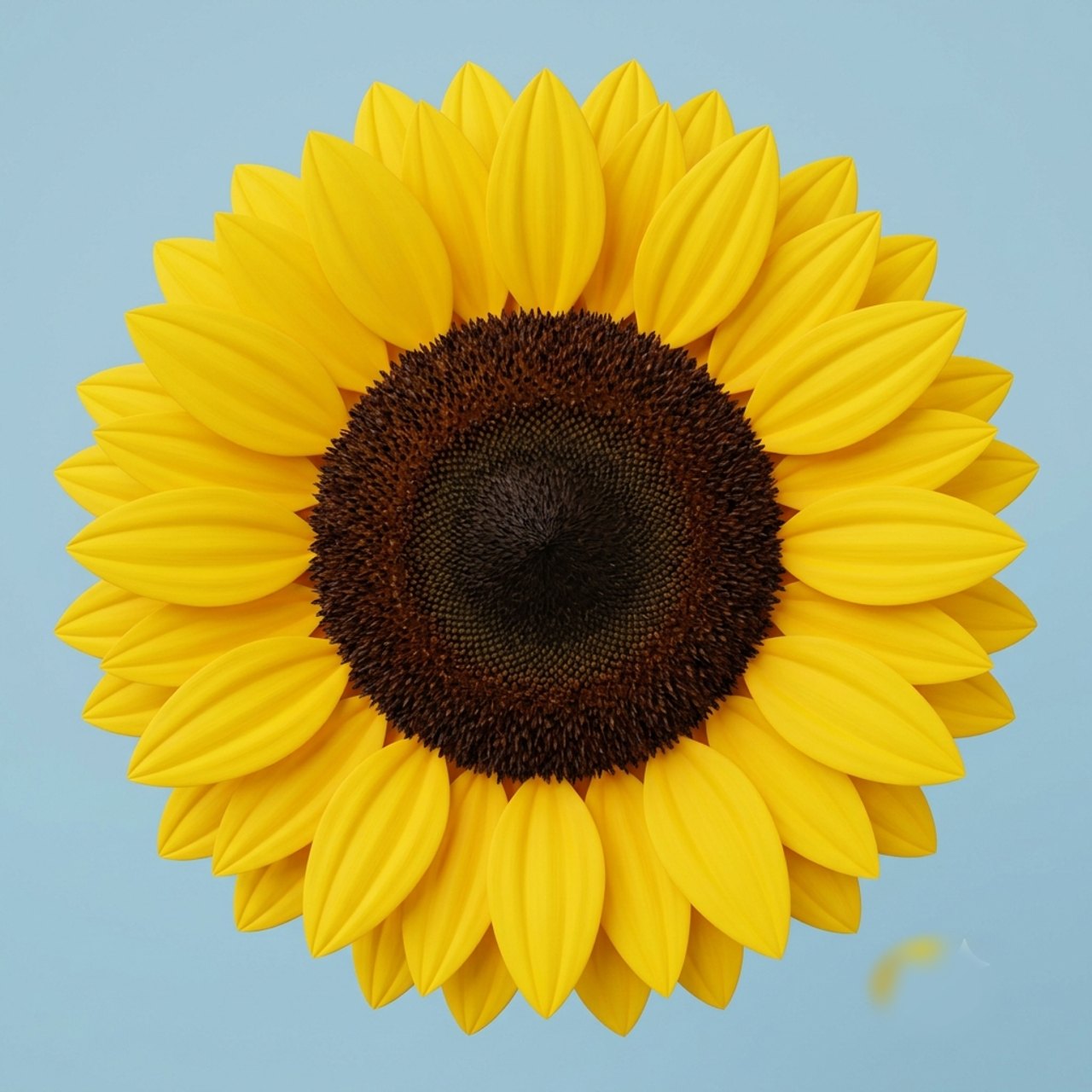
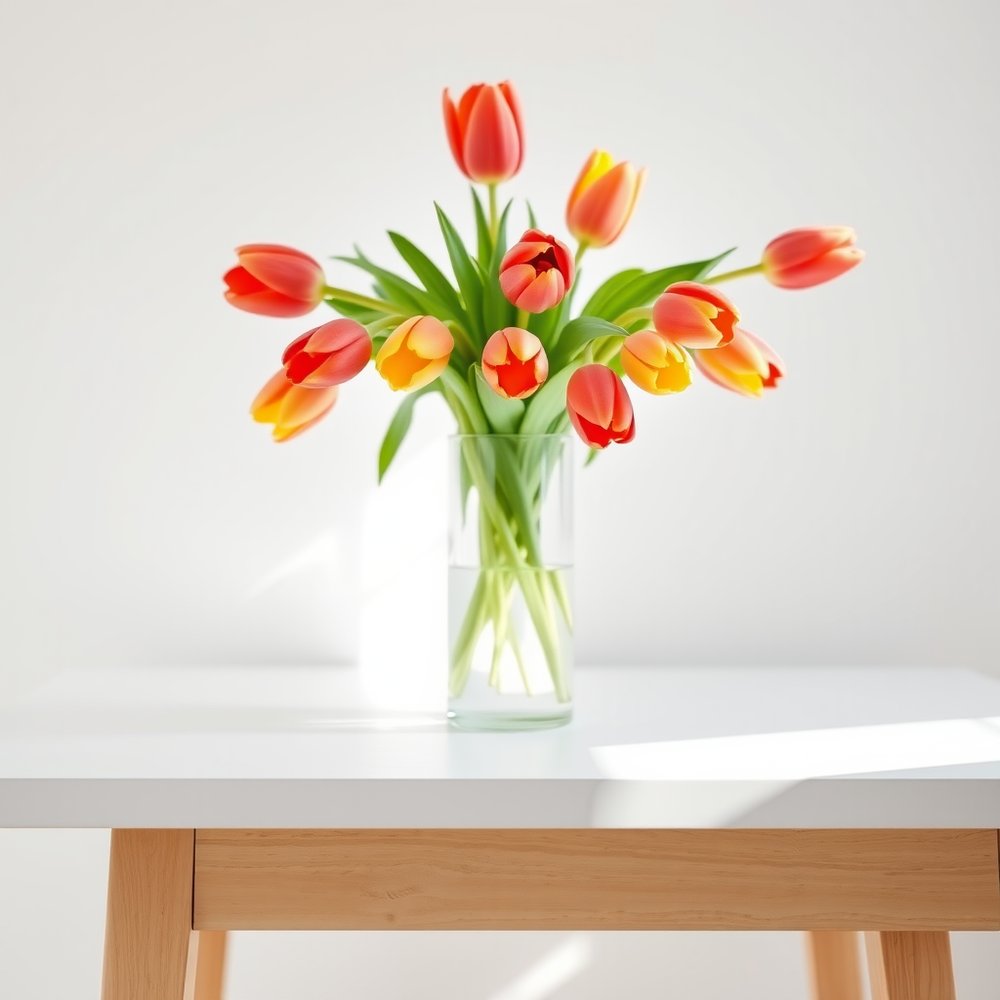
A flower can be a quick colour break, a puzzle built from repeating petals or a long grid of close shades. Start with a tulip, rose, sunflower or orchid, then choose the mechanic that fits your attention. Single blooms offer a clear centre and edge; bouquets, markets and meadows deliberately make the search denser. Choose by visible detail and structure; no picture comes with a promised finish time.
Why this theme works — and how the activities are built
Flowers suit these activities because petals radiate from readable centres while leaves, stems and backgrounds create direction. Close reds, pinks and greens make numbered colouring slower; repeated petals make a jigsaw less obvious. The same catalog artwork is transformed into regions, tabs and slots, cells, crosses, stones, clues or a layer to uncover.
Counts and properties come from the current Artia catalog snapshot, not from estimated search volume.
What you can make from Flowers — and why each way feels different
The image is split into numbered vector regions and each number points to the picture palette. The current catalog records 32 to 4,891 regions per picture. Petal gradients and neighbouring greens create meaningful runs of close numbered colours.
A seeded rows-by-columns cut gives neighbouring pieces opposite tabs and slots, so the board geometry stays consistent. Catalog levels run from 3×4 to 20×25, or 12 to 500 pieces. Centres, stems and outer petals are landmarks; bouquets remove some of those easy boundaries.
Numbered regions are arranged with 4- to 16-fold symmetry in circle, square or hexagon frames. Catalog designs have 43 to 225 regions and palettes of 8 to 15 colours. Petal gradients and neighbouring greens create meaningful runs of close numbered colours.
Each numbered colour becomes a set of stones to place. Current pictures contain 451 to 4,491 stones and 2 to 20 colours, so highlights and repeated edges become the working rhythm. Highlights, veins and overlapping petals reward stone placement, comparison and gradual reveal.
Row and column clues reveal a monochrome or limited-colour silhouette instead of showing the picture at once. The catalog offers 10×10, 15×15, 20×20 and 25×25 grids. Centres, stems and outer petals are landmarks; bouquets remove some of those easy boundaries.
A cover hides a grid of about 2,300 cells and the gesture removes that cover. The activity is recognition by gradual reveal rather than choosing colours or placing pieces. Highlights, veins and overlapping petals reward stone placement, comparison and gradual reveal.
Colovia keeps shading as many adjoining regions, while Puzzia makes the silhouette and flower centres into piece-finding clues. Pixia simplifies a bloom into a stepped icon; Stitchia counts every diagonal edge; Gemmia turns pale highlights into stones. Crossia keeps only enough outline for logic to recover the flower.
Colour by number in Colovia
Petal gradients and neighbouring greens create meaningful runs of close numbered colours.
Build a jigsaw in Puzzia
Centres, stems and outer petals are landmarks; bouquets remove some of those easy boundaries.
Place stones in Gemmia
Highlights, veins and overlapping petals reward stone placement, comparison and gradual reveal.
Quick, calm or challenging?
Choose by the amount of structure you want, not by a promised finish time: people work at different speeds and every catalog picture is different.
A short stop
Choose a large subject, a small grid or fewer puzzle pieces. You can leave the work and return instead of racing a countdown.
A calm session
Use numbered regions, stones or a medium puzzle. Timers can be hidden in the calm modes described by the apps.
More challenge
Pick a dense image, more numbered regions or a larger grid in one of the eligible apps. More cells and repeated details mean more decisions.
Three useful starting points
Single flowers with clear centres
Tulips and sunflowers give a direct place to begin.
Detailed bouquets and markets
Repeated petals and close colours create a longer, denser activity.
Flowers available in several apps
Compare only the cards whose title and recorded source artwork both match.
Questions people ask
Are there easy flower coloring pictures?
Start with flower pictures that have one clear subject, broad areas or the smallest available grid. “Easy” is not a fixed label across every app, so the chooser shows the actual mechanic and the cards keep their catalog properties.
Are flower coloring pictures suitable for kids?
flower pictures can suit children when the mechanic matches the child. Kidsia is the only catalog here with explicit 0–3, 4–6 and 7–9 age bands; for the other apps an adult should choose from the visible grid, palette and detail level.
Which flower coloring pictures work for adults?
For a denser flower pictures activity, choose repeated texture, close colours, more numbered regions or the largest grid shown by an eligible app. Challenge comes from recorded structure rather than an “adult” badge.
Can I color flower pictures online?
Yes. Open a flower pictures card and follow its app link. The app filter on this page only changes the visible cards; it does not create a separate catalog or hide the other available formats from the main page.